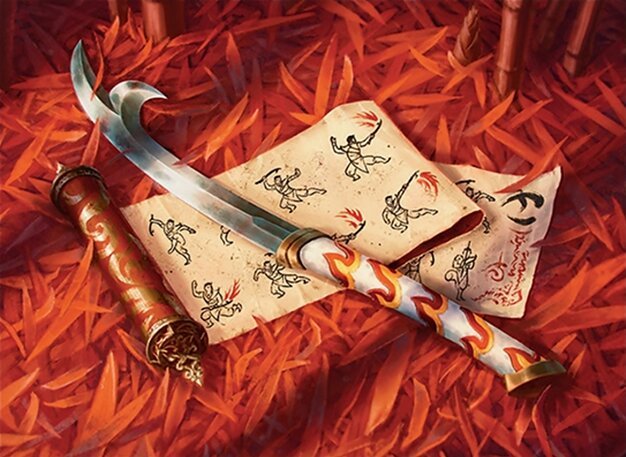
Welcome back to Tuesday Deck Tech, where the crew at Mana Riot Games tears apart the format’s scariest builds and shows you exactly how to pilot them. This week there’s really only one place to start: Izzet Prowess is eating Standard alive. It’s pushing a third of the entire metagame, it’s winning Regional Championship tables, and at the center of it all is one tiny artifact that rewrote the format the day it dropped — Cori-Steel Cutter.

Why Izzet Prowess Owns the Format
Prowess decks live and die on one question: can you generate more board presence and more damage than your opponent can answer? Cori-Steel Cutter answers that with a resounding yes. For just one mana to equip, every turn you cast your second spell it spits out a 1/1 Monk token and the equipped creature gets bigger. Suddenly your cantrips aren’t just digging — they’re building an army. That’s the engine that turns a hand of cheap spells into lethal damage out of nowhere, and it’s why the deck has been the consensus best build in Standard for months.
The beauty of the archetype is its flexibility. Against control it plays like a mono-red burn deck, racing them down before they stabilize. Against creature decks it pivots into a removal-heavy tempo plan, picking off blockers with efficient burn while its threats grow. Very few decks get to be both the beatdown and the control deck depending on the matchup — Izzet Prowess does, and that’s what makes it so punishing to play against.
The Decklist
Here’s the current consensus 60 that’s been putting up results at Regional Championship and Standard event tables across June. Your exact dual-land split can flex a little based on what you own, but the spell base is remarkably stable across pilots.
Creatures & Threats (12)
- 4 Monastery Swiftspear
- 4 Slickshot Show-Off
- 4 Cori-Steel Cutter
Engines & Pump (8)
- 4 Stormchaser’s Talent
- 4 Monstrous Rage
Spells (22)
- 4 Sleight of Hand
- 4 Opt
- 4 Burst Lightning
- 3 Stock Up
- 3 Torch the Tower
- 2 Into the Flood Maw
- 2 Spell Pierce
Lands (18)
- 4 Steam Vents
- 4 Riverpyre Verge
- 2 Shivan Reef
- 1 Fabled Passage
- 4 Island
- 3 Mountain
Sideboard (15): 2 Negate, 2 Abrade, 2 Disdainful Stroke, 2 Lithomantic Barrage, 2 Torch the Tower, 1 Into the Flood Maw, 1 Spell Pierce, 3 Smoldering flex slots for the matchups you expect locally.
Key Card Breakdown
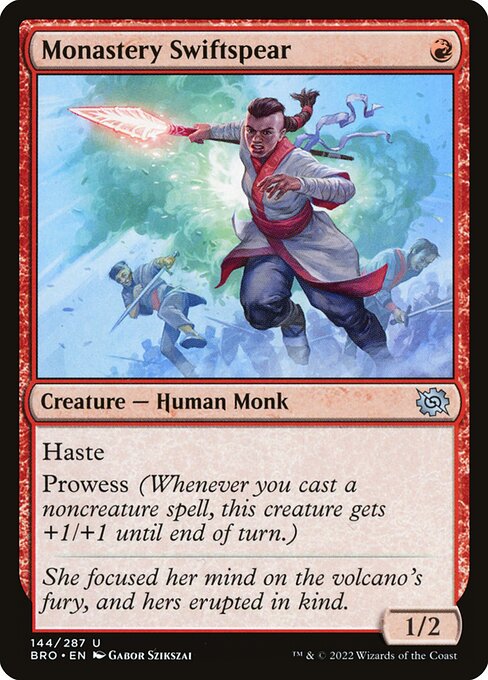
Monastery Swiftspear is the perfect turn-one play. Haste means it’s chipping in immediately, and prowess plus that constant token pressure from the Cutter turns a one-drop into a real clock. Curve it into a couple of cantrips and you’re often dealing four or five on turn two.
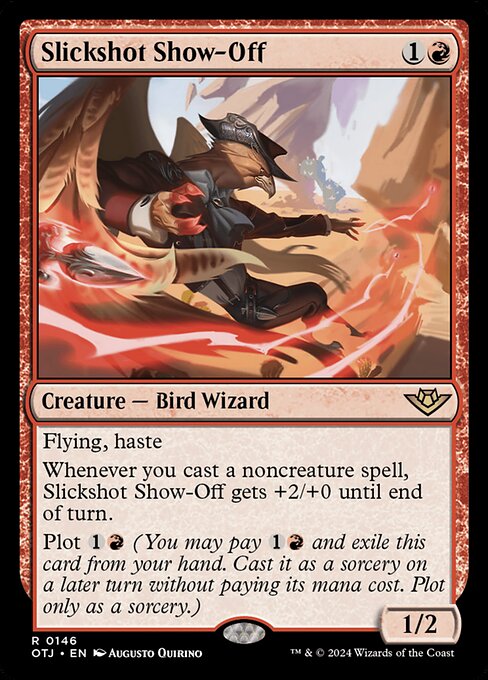
Slickshot Show-Off is the deck’s secret reach. The flash flier with plot lets you dodge sorcery-speed removal and ambush, but its real job is closing games — cast a couple of cheap spells and this thing flies over for absurd chunks of damage. It’s the card that turns “I’m a little ahead” into “you’re dead.”
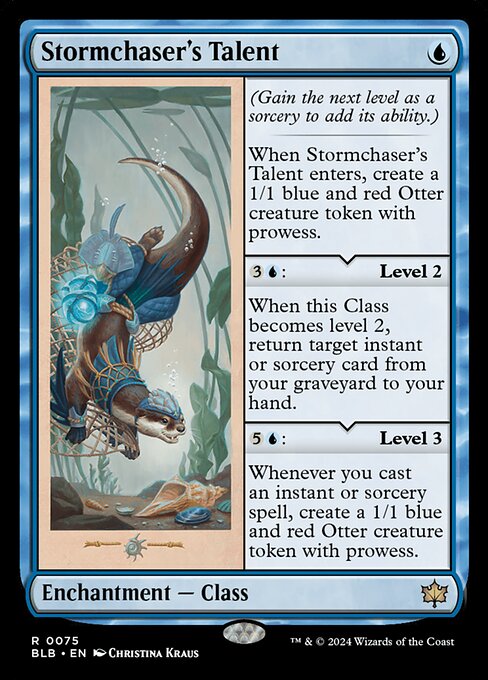
Stormchaser’s Talent is the resilience piece. The level-one Otter is a prowess body, but the ability to level it up later and start recurring your best spells gives the deck staying power in grindy games where a normal aggro deck would run out of gas.
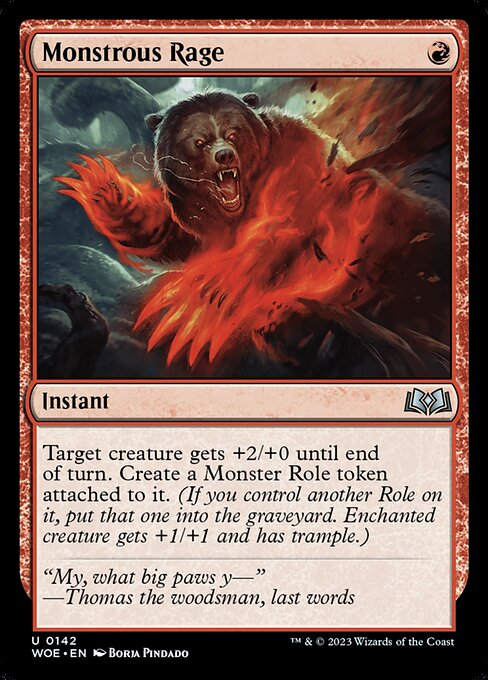
Monstrous Rage is the combat trick that does it all. For one mana it’s a +2/+0 with trample and a Monster Role token, so it pushes damage, wins fights, and triggers prowess all at once. It’s the cheapest, most efficient way to blow out a block or just punch through for the last few points.
How to Pilot It
The cardinal rule: sequence your spells to maximize triggers. You almost always want to cast your cheapest cantrip first to set up the second-spell payoff from Cori-Steel Cutter and your prowess creatures. Don’t dump your hand — this deck rewards patience and holding up instant-speed interaction. Against control, deploy a threat and protect it with Spell Pierce rather than over-committing into a sweeper. Against aggro and midrange, lean on Burst Lightning, Torch the Tower, and Into the Flood Maw to keep the board clear while your evasive threats and tokens go the distance.
Mulligan aggressively for a hand with a land, a threat, and gas. A keep with no early play is a trap — this deck wants to be proactive from turn one.