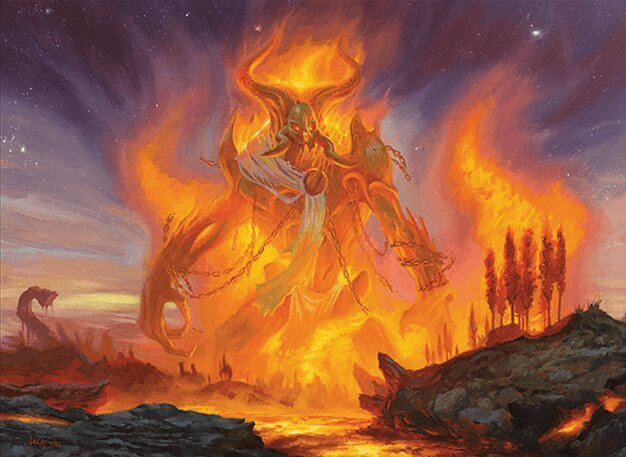
The King of Modern: Boros Energy
If you’ve been watching Modern results lately, one deck keeps showing up at the top of the standings week after week: Boros Energy. Commanding over 20% of the competitive metagame, this red-white powerhouse claimed first place at the LDXP SEA26 Modern $5k on March 29th and continues to dominate MTGO Challenges. Today we’re breaking down exactly why this deck is the deck to beat — and what makes it tick.
The Full Decklist
MAINBOARD (60)
Creatures (16)
4x Guide of Souls
4x Ocelot Pride
4x Ragavan, Nimble Pilferer
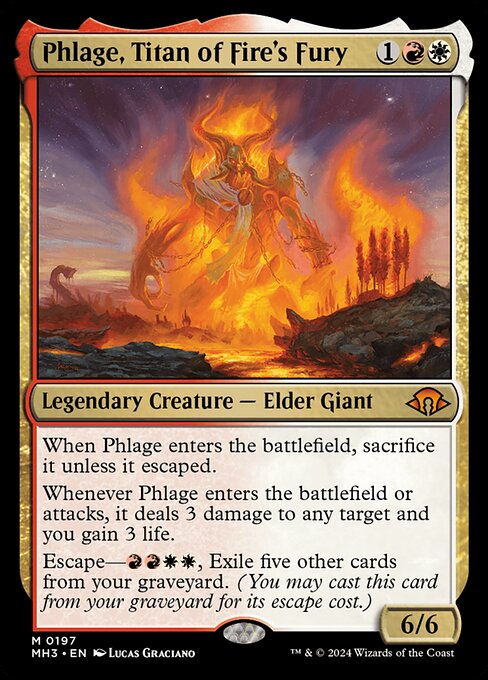
4x Phlage, Titan of Fire’s Fury
Planeswalkers (4)
4x Ajani, Nacatl Pariah
Spells (12)
4x Galvanic Discharge
3x Thraben Charm
3x Goblin Bombardment
2x The Legend of Roku
Lands (28)
4x Arid Mesa
4x Marsh Flats
4x Flooded Strand
3x Elegant Parlor
3x Arena of Glory
2x Sacred Foundry
2x Plains
1x Mountain
5x (other lands)
SIDEBOARD (15)
2x High Noon
2x Surgical Extraction
2x Blood Moon
2x Orim’s Chant
2x Obsidian Charmaw
2x Wrath of the Skies
1x Exorcise
1x Wear // Tear
1x Shatterstorm
The Engine: How Boros Energy Works
Boros Energy is fundamentally a tempo-aggro deck that uses the energy mechanic as a flexible resource engine. The deck applies early pressure with efficient threats, generates energy throughout the game, and then converts that energy into card advantage, removal, and inevitability. Let’s look at the key pieces:
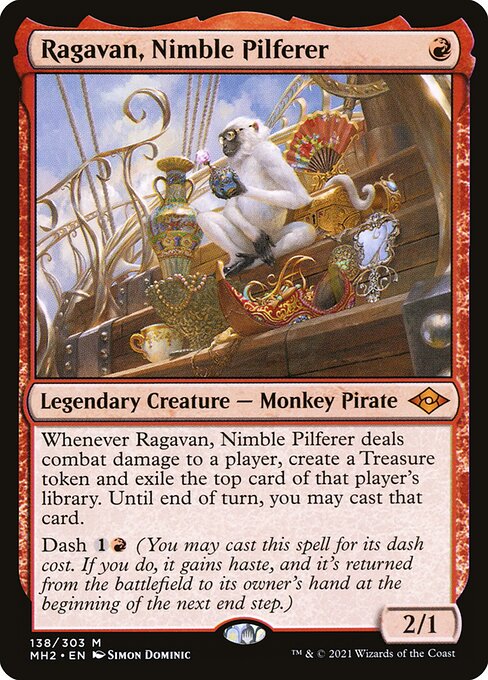
Ragavan, Nimble Pilferer needs no introduction. The 2/1 Monkey for one red mana still puts in enormous work as the deck’s premier turn-one threat. Connect once and you’re creating a Treasure while exiling cards from your opponent’s library — generating advantage that snowballs fast. Ragavan demands an answer immediately, and in a deck that wants to apply constant pressure, that’s exactly what you want from a one-drop.
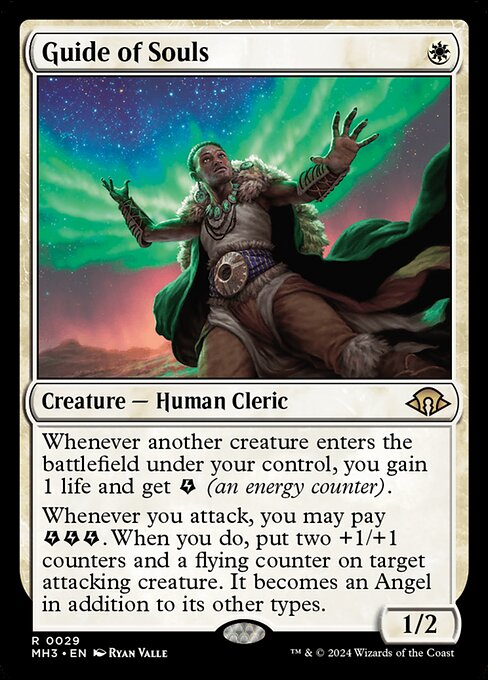
Guide of Souls is one of Modern Horizons 3’s breakout cards, and it slots perfectly into this shell. A 1/1 flier for one white mana, Guide of Souls generates an energy counter whenever another creature enters the battlefield. It also taps to spend energy and grant a creature +1/+1 and flying until end of turn — turning your ground beaters into aerial threats when needed. In a deck running sixteen creatures, Guide of Souls is constantly generating energy from the moment it hits the table.
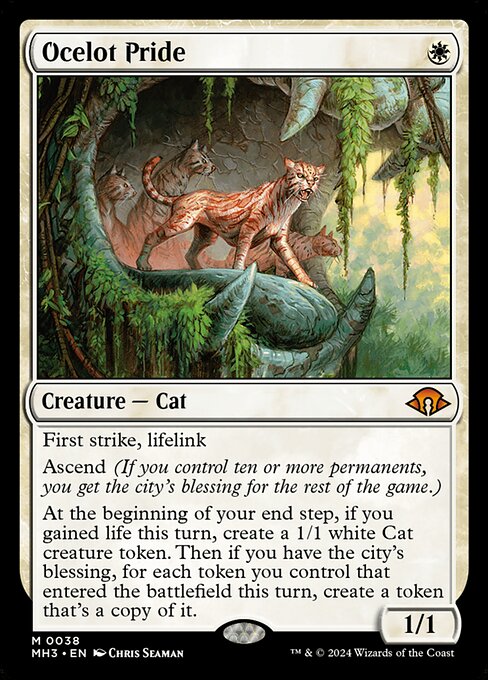
Ocelot Pride is where the deck truly goes wide. This one-mana white creature creates a token copy of each attacking non-token creature you control whenever you gain life — and it costs one energy per token. With Phlage gaining you life on entry and escape, you can flood the board with creature copies in a single attack step. An Ocelot Pride trigger creating two Phlage copies is the kind of turn that ends games on the spot.
The Centerpiece: Phlage, Titan of Fire’s Fury
If Ragavan is the deck’s opener, Phlage, Titan of Fire’s Fury is its closer. This Modern Horizons 3 bomb enters the battlefield dealing 3 damage to each opponent and gaining you 3 life simultaneously — triggering Ocelot Pride on the spot and generating a wave of tokens while clearing out small blockers. And thanks to its Escape ability (exile five cards from your graveyard, pay RRR), Phlage keeps coming back. Your opponent can’t answer it once — they have to answer it every time. That’s the kind of inevitability that defines the late game for this deck.
Flexible Interaction: Galvanic Discharge & Goblin Bombardment
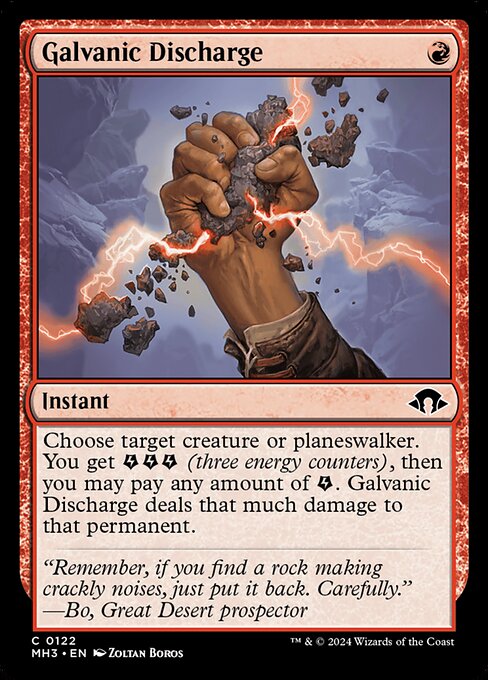
Galvanic Discharge is the deck’s primary removal spell, and it scales beautifully with everything the deck is doing. At its floor it’s a one-mana deal-1, but by mid-game with energy banked from Guide of Souls and other triggers, it regularly deals 4, 5, or 6 damage to a creature or planeswalker. It’s cheap, instant-speed, and punishes opponents for letting your energy accumulate unchecked. Goblin Bombardment rounds out the interaction suite — the enchantment converts your tokens and creatures into pings, letting you sacrifice Ocelot Pride tokens to push through the last few points of damage or clear utility creatures that have already done their job.
Key Matchups
Vs. Jeskai Blink (Favoured): Boros Energy’s proactive gameplan pressures Jeskai before it can set up its blink value engine. Galvanic Discharge handles Solitude and other key targets, and your threats are wide enough that Solitude’s removal can’t keep pace.
Vs. Affinity (Even to Slightly Unfavoured): Affinity’s resilience and fast clock make this matchup tricky. Post-board, Shatterstorm and Wear // Tear give you meaningful hate options. Galvanic Discharge can’t hit artifact creatures as cleanly as dedicated removal, so lean on Thraben Charm.
Vs. Neobrand / Combo (Unfavoured Game 1, Favoured Post-Board): You’re too fair to reliably stop a turn-3 Neobrand kill without disruption. Surgical Extraction and Orim’s Chant come in post-board and dramatically improve this matchup. High Noon also taxes their explosive turns meaningfully.
Vs. Eldrazi Tron (Favoured): Your one-drops come down before Eldrazi Tron can establish Tron, and Blood Moon out of the sideboard locks them out entirely. Phlage’s damage-on-entry ability helps bypass Thought-Knot Seer’s disruption.
Should You Play Boros Energy?
If you’re looking for a deck with consistent tournament results, powerful synergies, and a clear gameplan, Boros Energy is your answer for Modern right now. The deck rewards tight play — knowing when to deploy energy, when to hold Goblin Bombardment sacrifice, and when to escape Phlage versus holding it back — but the ceiling is high for pilots who master those decisions. It’s not a budget deck (expect to pay $600–800 for a paper copy), but it’s one of the most justified investments in the current format.
Whether you’re grinding MTGO, preparing for a local RCQ, or just want to bring your A-game to Friday Night Modern, Boros Energy is the deck to be on right now.
🃏 Want to build Boros Energy? Come check out our singles stock at Mana Riot Games! We carry the key Modern staples including Ragavan, Phlage, and Guide of Souls. Follow us for more weekly deck techs, tournament coverage, and TCG news every Tuesday!