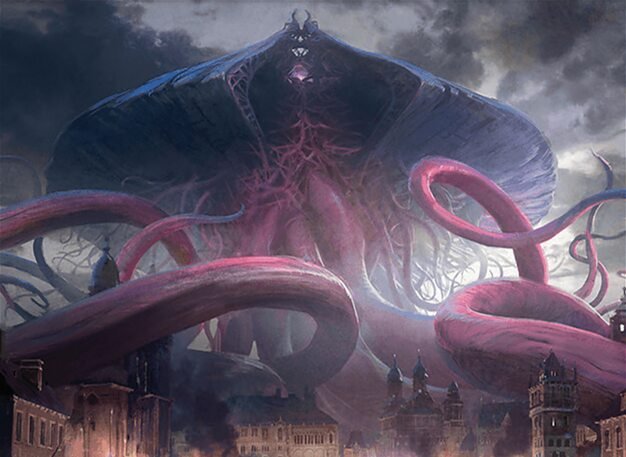
Pro Tour Magic: The Gathering | Marvel Super Heroes wrapped up in Amsterdam this weekend, and after ten rounds of Modern and six of Limited, it was Eduardo Sajgalik who lifted the trophy — piloting a deck the community has taken to calling Broodscale Combo. It was also the deck of choice for three other Top 8 competitors (Alex Rohan and Lorenzo Gruppi both battled through Swiss with near-identical 75s), making it the breakout story of the weekend. If you play Modern, or you’re just curious what a title-winning Eldrazi engine looks like in 2026, this one’s worth a deep dive.
The Game Plan
Broodscale Combo isn’t a fair midrange pile — it’s a ramp-and-go-off deck dressed up as an Eldrazi tribal list. The core idea is simple to say and tricky to pilot: flood the board with 0/1 colorless Eldrazi Spawn tokens, turn those tokens into mana and bodies, and use that glut of resources to jam a game-ending threat years ahead of schedule.
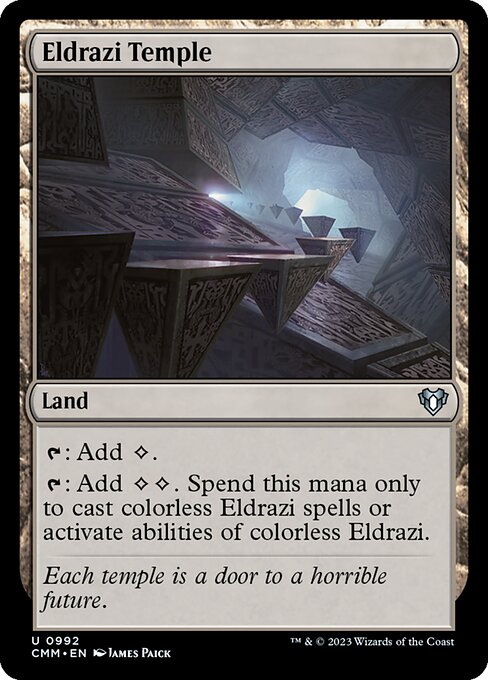
The ramp starts on turn one. Eldrazi Temple and Grove of the Burnwillows both produce colorless mana a turn ahead of schedule, and from there the deck’s card selection package — four copies each of Ancient Stirrings and Malevolent Rumble — digs through the top of the library for whatever colorless permanent the game plan needs next. Malevolent Rumble does double duty, filling the graveyard with whatever it doesn’t take and leaving behind a free Spawn token in the process.
The Namesake Engine
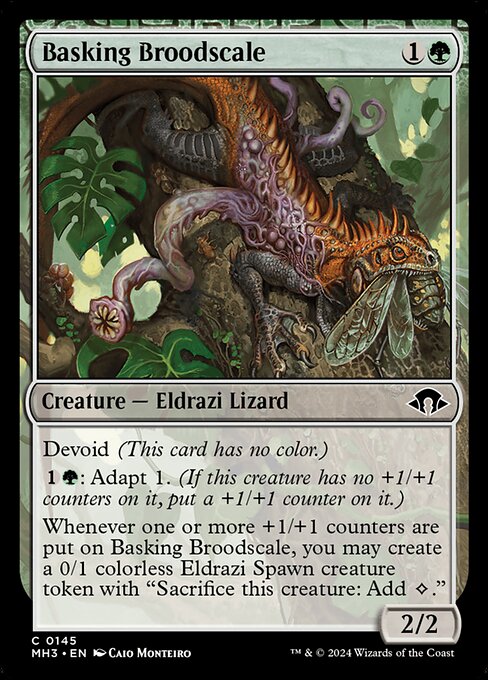
Basking Broodscale is the card the archetype is named after, and it’s a perfect example of the deck’s philosophy: a two-mana body that adapts itself for one more mana, and every time it picks up a +1/+1 counter it throws off another Spawn token. Pair it with Writhing Chrysalis, which hands you two Spawn tokens the moment you cast it and grows every time an Eldrazi dies, and you’ve got a token engine that keeps refueling itself turn after turn. Those Spawns aren’t just chump blockers — each one sacrifices for a point of colorless mana, which is exactly what lets this deck ignore normal mana curves.
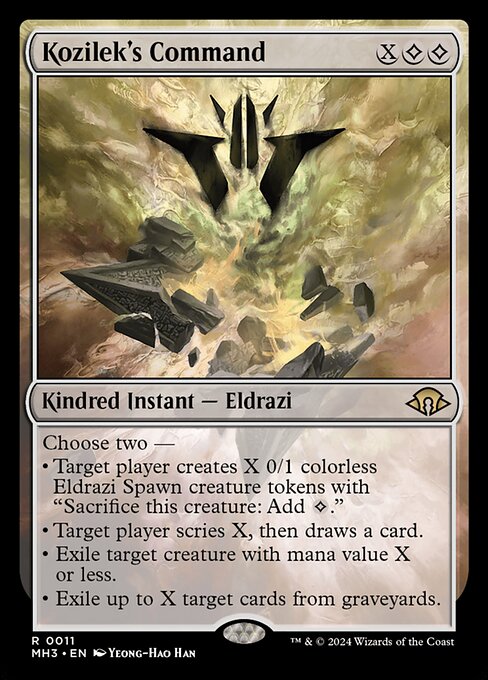
Kozilek’s Command is the deck’s Swiss Army knife: it exiles an opposing threat, digs into your own deck, mills graveyard hate away, or manufactures another wave of Spawn tokens depending on what the board state demands. Getting two of those modes off one instant, scaled by X, is the kind of flexibility that lets Broodscale Combo play both the grindy long game and the fast, proactive one.
The Saga That Ties It Together
Urza’s Saga quietly does a ton of work here. Chapter one turns it into a mana source, chapter two starts pumping out Construct tokens that scale with your artifact count, and chapter three tutors up a cheap artifact — usually a mana rock or a piece of interaction — straight onto the battlefield. In a deck already overflowing with colorless permanents, Urza’s Saga is close to a free card every game.
The Payoff
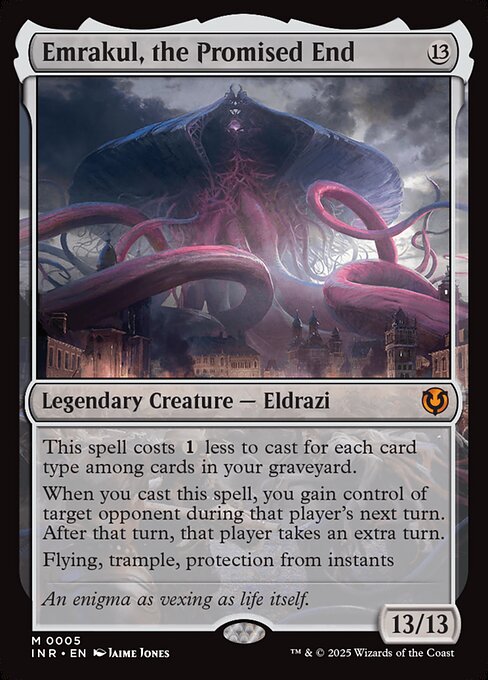
All that ramp, filtering, and graveyard filling is building toward one thing: casting Emrakul, the Promised End for a fraction of its printed {13} cost. Emrakul’s price tag drops by one generic mana for every card type sitting in your graveyard, and between Malevolent Rumble’s discards and Kozilek’s Command’s mill mode, Sajgalik’s list can reliably present four or five card types by the midgame — landing Emrakul as early as turn four or five. Taking a turn from your opponent with a 15/15 flying, trampling, protection-from-instants threat on the stack is about as backbreaking a swing as Modern offers, and it’s usually game over on the spot.
Rounding out the top end, three copies of Glaring Fleshraker punish opponents every time a colorless creature enters, turning the deck’s own token generation into a slow-motion burn plan if the Emrakul line isn’t there yet. Blade of the Bloodchief and a pair of Vexing Bauble round out the 75, giving the deck a way to grow a threat out of nowhere or tax down cheap opposing interaction.
Why It Won
What made Broodscale Combo the story of Pro Tour Marvel Super Heroes wasn’t raw power alone — it was consistency. Eight-plus card selection spells across Ancient Stirrings and Malevolent Rumble mean the deck rarely stumbles on a bad draw, and the mana base built around Eldrazi Temple, Grove of the Burnwillows, and a full fetchland suite keeps colorless and green sources online from turn one. Add a real Emrakul, the Promised End payoff and a proactive Spawn-token shell that can simply out-value slower decks, and you’ve got a list built to both open and close a game with equal confidence — enough to carry Eduardo Sajgalik to the trophy in Amsterdam.
Want to try it yourself? The full 75, including sideboard tech like Damping Sphere and Life from the Loam for grindier matchups, is worth studying card by card. Keep following Mana Riot Games for more breakdowns like this one every week — and check out the full write-up and more TCG coverage at manariotgames.com.